
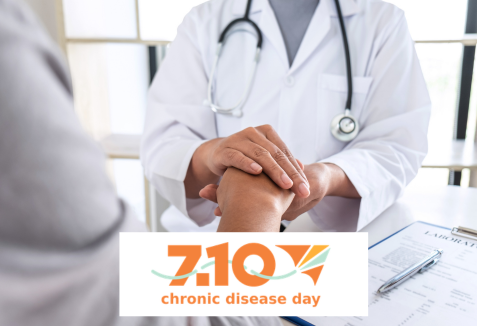
Every year on July 10, Chronic Disease Day shines a spotlight on the millions of people living with chronic illnesses. Established in 2014, the annual awareness campaign encourages education, advocacy, and improved access to healthcare while bringing together patients, caregivers, healthcare professionals, and advocacy organizations to create healthier communities. Chronic Disease Day also highlights the importance of supporting individuals living with chronic conditions that require lifelong management.
While many chronic diseases are well known, the conditions that can result from even successful treatment of a benign hypothalamic-pituitary brain tumor often receive far less attention. Chronic Disease Day provides an important opportunity to increase awareness of the long-term challenges survivors face long after treatment ends.
Why Chronic Disease Day Matters
Living with a chronic disease extends far beyond frequent doctor’s appointments. Many people manage lifelong symptoms, complex medication regimens, financial burdens, invisible disabilities, and the emotional impact of navigating healthcare systems.
Chronic Disease Day reminds us that awareness is more than recognizing a diagnosis and the medical issues that come with one. It’s about improving access to care, supporting research, advocating for equitable healthcare policies, and amplifying the voices of those whose conditions are often misunderstood.
When It Comes to Craniopharyngioma, Benign Is Not Fine
Although craniopharyngioma is considered a benign brain tumor, the effects of the tumor and its treatment can be lifelong. Because these tumors develop near the hypothalamus and pituitary gland, survivors frequently experience chronic health conditions that require ongoing medical care.
Many survivors live with:
- Hormone deficiencies requiring lifelong replacement therapy
- Hypothalamic obesity
- Arginine vasopressin deficiency (AVP-D)
- Temperature dysregulation
- Fatigue and sleep disturbances
- Vision changes
- Cognitive challenges
- Adrenal Insuffieciency
These challenges don’t end when treatment ends. For many survivors, brain tumor survivorship means managing a complex chronic illness every day.
How You Can Support Craniopharyngioma Survivors
Supporting someone with a chronic illness doesn’t always require a grand gesture. Small actions can make a meaningful difference.
You can help by:
- Learning about craniopharyngioma and its lifelong effects.
- Recognizing that many symptoms are invisible, even when someone “looks healthy.”
- Offering flexibility at work, school, or social events when fatigue or medical needs arise.
- Sharing information to increase awareness.
- Supporting organizations that fund research, education, and patient advocacy.
- Listening to survivors’ and caregiver experiences.
Awareness reduces stigma, builds empathy, and helps create communities where survivors feel seen and supported.
Every Voice Makes a Difference
This Chronic Disease Day take a moment to recognize the resilience of people living with chronic illnesses and the realities of their everyday lives.
Whether you share a story, participate in the #IStayStrong campaign, advocate for better healthcare access, or simply learn more about invisible disabilities, your actions can help create lasting change.
Together, we can build greater awareness, improve understanding, and ensure that every survivor knows they are not facing chronic illness alone.