
Benign Is Not Fine. Spread the word on Giving Tuesday.
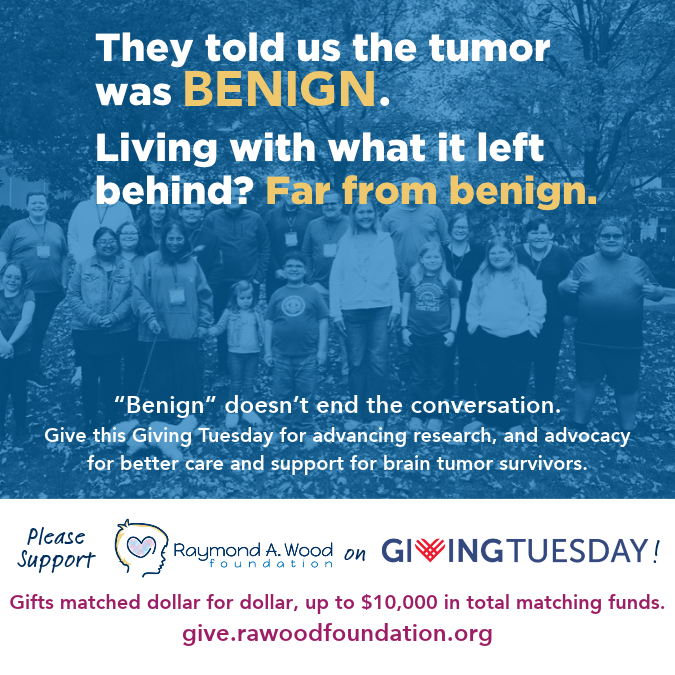
“At least it’s benign.” So many of us have heard those words. Then we go home and figure out how to manage hunger that never lets up, give lifesaving hormone doses, or keep sodium levels in a safe range. For many of us, that’s daily life after a hypothalamic-pituitary brain tumor.
This Giving Tuesday, help more people understand what life after treatment looks like. Share a piece of your story, tell people why the Raymond A. Wood Foundation’s work matters to you, and invite them to give. Their gifts help fund research and advocacy for better care.
Giving Tuesday gifts will be matched dollar for dollar, up to $10,000 in total matching funds. give.rawoodfoundation.org
What we’re raising money for
More treatment options for hypothalamic obesity. We bring patient experiences to the FDA, help families find clinical trials, and push drug developers to invest in treatments for our community.
Easier sodium monitoring at home. We help families access handheld blood analyzers and are developing an at-home sodium meter.
Answers and support after treatment. We run a patient registry, create educational videos, and bring families together at events like the Philadelphia family conference and HOPE Austin.
How to fundraise on Giving Tuesday
- Copy the donation link. give.rawoodfoundation.org
- Share it on social media or by email. Tell people why the Raymond A. Wood Foundation’s work matters to you. Use the sample message below or write your own.
- Ask donors to include your name in the donation comments. Email development@rawoodfoundation.org to let us know you shared the link so we can tell you when a gift is made in response to your outreach.
- Post a reminder later in the day. Share a personal reason you’re fundraising and include the link again.
- End the day with a thank-you. Thank everyone who donated or shared your post.
Giving Tuesday donations will be matched dollar for dollar, up to $10,000 in total matching funds.
Copy and paste this message
“At least it’s benign.” A lot of brain tumor families like ours have heard those words. What happens after treatment can be far from benign, and families deserve more attention, more research, and better care.
That’s why I’m raising money for the Raymond A. Wood Foundation this Giving Tuesday. Gifts will be matched dollar for dollar, up to $10,000 in total matching funds. Will you donate or share this post?
If you give, please put my name in the donation comments so the foundation knows I sent you. Thank you!
Here’s the link: give.rawoodfoundation.org
Need a graphic?
Download a ready to go graphic to share or edit in Canva.
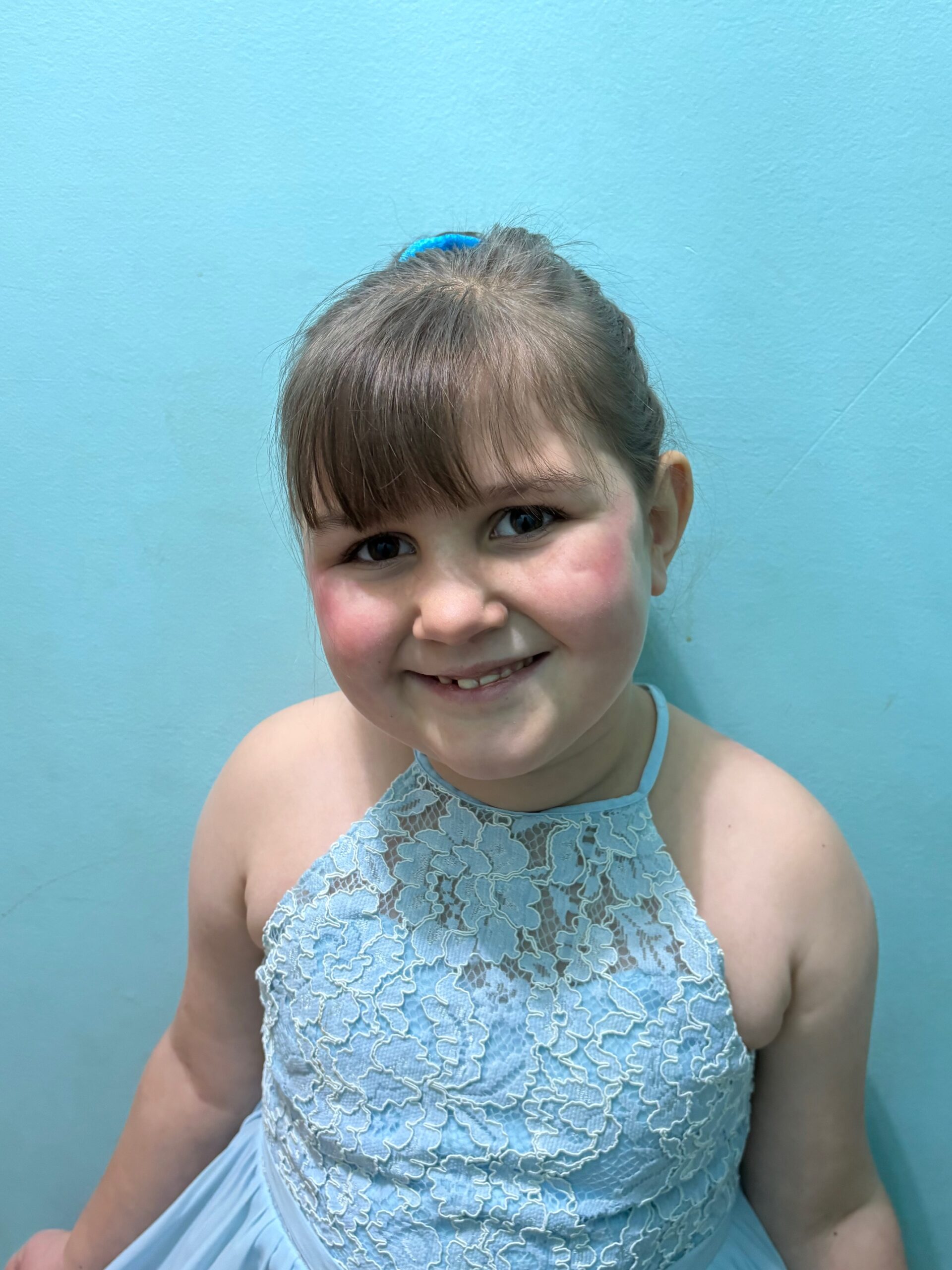
Help Us Change Lives Like Sabrina’s
When Sabrina was diagnosed with a craniopharyngioma, her life changed overnight. She faced months of surgeries, hospital stays, and painful sodium monitoring. Thanks to a handheld blood analyzer provided by the Raymond A. Wood Foundation, Sabrina can now test her sodium levels at home—freeing her from repeated needle sticks and hospital visits.
Your support helps us provide life-changing devices like this to families in need and fuels our mission to develop an at-home sodium meter for even greater accessibility.
Other Ways to Get Involved and Make an Impact
Make a Donation: Support our mission by funding life-changing resources for survivors and their families.
Start a Fundraiser: Rally your community to raise funds and make a meaningful impact.
Match Your Gift: Double your impact by checking if your employer offers gift-matching programs.
Join Our Board: Use your skills and passion to help guide and grow our foundation.
Share Your Story: Inspire others by sharing your journey with our community.
Participate in Our Patient Registry: Help advance research by contributing to our growing database.
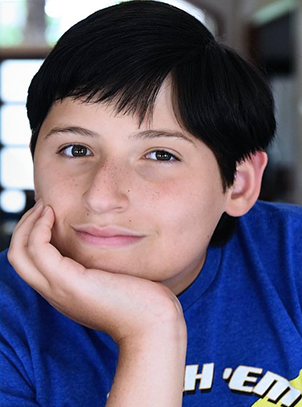
Help Advance Research in Hypothalamic Obesity
Your voice is crucial in addressing the challenges of hypothalamic obesity and hyperphagia! Join us in shaping the future of research by enrolling in the Hypothalamic Pituitary Brain Tumor Patient Registry. Your participation, at your own pace, will contribute valuable insights to better understand and treat these conditions
