
A Guide for Patients, Families, and Caregivers
What is Craniopharyngioma?
Craniopharyngioma is a rare benign (non‑cancerous) brain tumor that develops near the base of the brain, close to the pituitary gland and hypothalamus which are key structures that control hormones, growth, and vital body functions.
Although “benign” means it does not spread widely like cancer, craniopharyngioma can still cause significant health effects because of its location near critical nerves and brain centers.
Get Connected with News & Resources
Get monthly insights on research updates, clinical trials, education events, and community support — straight to your inbox.
Types of Craniopharyngioma
There are two primary types:
- Adamantinomatous craniopharyngioma – More common in children and adolescents; tumors often contain both solid and cystic parts.
- Papillary craniopharyngioma – Typically occurs in adults and tends to be more solid in nature.
Symptoms
Symptoms vary but commonly include:
- Vision changes (due to pressure on optic nerves)
- Hormonal imbalances leading to fatigue, weight changes, growth delays, or thirst/urination problems
- Headaches, nausea, or balance difficulties
- Behavioral changes, sleep disturbances, or temperature regulation issues
Because symptoms overlap with many other conditions, evaluation by specialists experienced with craniopharyngioma is important.
Diagnosis & Testing
Diagnosis typically includes:
- Neurological and physical examinations
- MRI or CT imaging to locate and define tumor size and structure
- Hormone level testing to evaluate pituitary function
A multidisciplinary team including neurosurgeons, endocrinologists, neuro‑ophthalmologists, and radiation specialists helps ensure accurate diagnosis and personalized care.
Treatment Options
Treatment depends on tumor size, location, and symptoms. Common approaches include:
1. Surgery
The primary treatment is surgical removal of as much tumor as safely possible. Advances such as endoscopic transsphenoidal surgery allow tumor removal through the nose with minimal visible scarring.
2. Radiation Therapy
Radiation may be used when complete surgical removal isn’t possible or to reduce recurrence risk. Techniques such as stereotactic radiosurgery deliver high‑precision radiation.
3. Hormone Replacement & Long‑Term Care
Because craniopharyngiomas can affect pituitary function, many patients need lifelong hormonal replacement and regular endocrine care.
Living With Craniopharyngioma
Craniopharyngiomas are often treatable through surgery and/or radiation, and in many cases, the tumor can be fully removed or controlled. However, the real challenge for many survivors begins after treatment.
Because these tumors form near the hypothalamus and pituitary gland, which are areas that regulate essential body functions, damage can occur either from the tumor itself or from efforts to remove or shrink it. This means that even when the tumor is no longer present, the effects often continue for life.
Common long-term challenges can include:
- Hormonal deficiencies, requiring lifelong hormone replacement therapy and close monitoring by an endocrinologist.
- Vision loss or changes from pressure on the optic nerves.
- Cognitive, memory, or executive function difficulties that may affect school, work, or daily independence.
- Sleep disruption, weight regulation problems, excessive hunger or thirst, and body temperature dysregulation from hypothalamic injury.
- Emotional and psychosocial impacts such as anxiety, depression, social isolation, or fatigue are often underestimated but deeply felt by survivors and caregivers.
Craniopharyngioma is a life-altering brain tumor and its impact can extend far beyond the operating room. Although classified as benign, this refers only to the fact that it doesn’t spread to other parts of the body. In reality, craniopharyngiomas can cause profound and lasting damage due to their location near critical brain structures. Survivors often face complex, lifelong challenges that require comprehensive, multidisciplinary care and strong, ongoing support.mprehensive, multidisciplinary care and long-term support.
At RAWF, we recognize that thriving after craniopharyngioma means more than removing the tumor. It means empowering survivors with the tools, knowledge, and community they need to navigate life after treatment. Our programs are designed to support both the medical and emotional journeys that come with survivorship.
Where to Find Help
At the Raymond A. Wood Foundation, we understand that navigating life after a craniopharyngioma diagnosis can feel overwhelming. That’s why we offer support resources designed specifically for survivors, caregivers, and families that are informed by lived experience and focused on practical solutions.
Whether you’re newly diagnosed or managing long-term effects, we’re here to help you stay informed, connected, and supported:
Educational Videos & Webinars
Expert-led sessions on topics like hormone replacement, cognitive impacts, and mental health — available to watch anytime.
Visit our YouTube Channel »
Access On Demand Presentations on Diagnosis, Treatment, and Survivorship »
Patient & Caregiver Support Groups
Safe, welcoming spaces to connect with others who understand the journey facilitated by peers and professionals.
Join a Group »
Physician Finder & Specialist Directory
Tools to help you identify providers experienced in treating hypothalamic-pituitary brain tumor survivors.
Find a Physician »
Newly Diagnosed Support
Our outreach coordinator can help you connect with a mentor or schedule a free one-on-one grief support specialist that works with newly diagnosed families.
Connect with us »
Monthly Updates on Events and Research
Stay current on emerging treatments, clinical trials, and scientific progress delivered straight to your inbox.
Sign up for our monthly updates »
Conditions Associated with Craniopharyngioma
Learn more about stress dosing and daily steroid replacement therapy.
Get an overview of hypopituitarism and hormone replacement.
Learn about growth hormone replacement and data on when to begin after tumor treatment.
Find out about the challenges of this condition and management of care.
Learn more about HO diagnosis, support, and emerging treatment options.
Explore Craniopharyngioma Research and Treatment Opportunities
Connect Through the Patient Registry
Our Hypothalamic-Pituitary Brain Tumor Patient Registry allows survivors and caregivers to contribute their experiences to research that improves care, identifies unmet needs, and informs future treatments.
Your story matters. Join the registry to help shape better outcomes for all.
Find Out MoreExplore New Treatment Options
We also offer a Clinical Trial Finder to help patients and families explore emerging treatment opportunities. Whether you’re newly diagnosed or navigating long-term care, access to research studies and experimental therapies can open new possibilities.
Browse current trials and learn what options may be available to you.
Find a Specialist
Navigating care after a craniopharyngioma diagnosis can be overwhelming. Our Physician Finder connects patients and families with endocrinologists, neurosurgeons, and other specialists who have the most documented experience with the nuances of craniopharyngioma.
Use the Physician Finder to locate expert care near you.
Find a Physician
Craniopharyngioma Treatment and Management
UCSF’s Dr. Sandeep Kunwar, neurosurgeon and Dr. Lewis Blevins, neuroendocrinologist, take a deep dive into treatment approaches and options for craniopharyngioma.
From the Blog
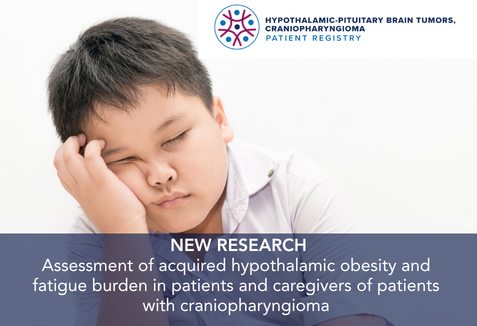
New Research Puts a Spotlight on Fatigue After Craniopharyngioma

Chronic Disease Day: Why Raising Awareness Matters for Craniopharyngioma Survivors
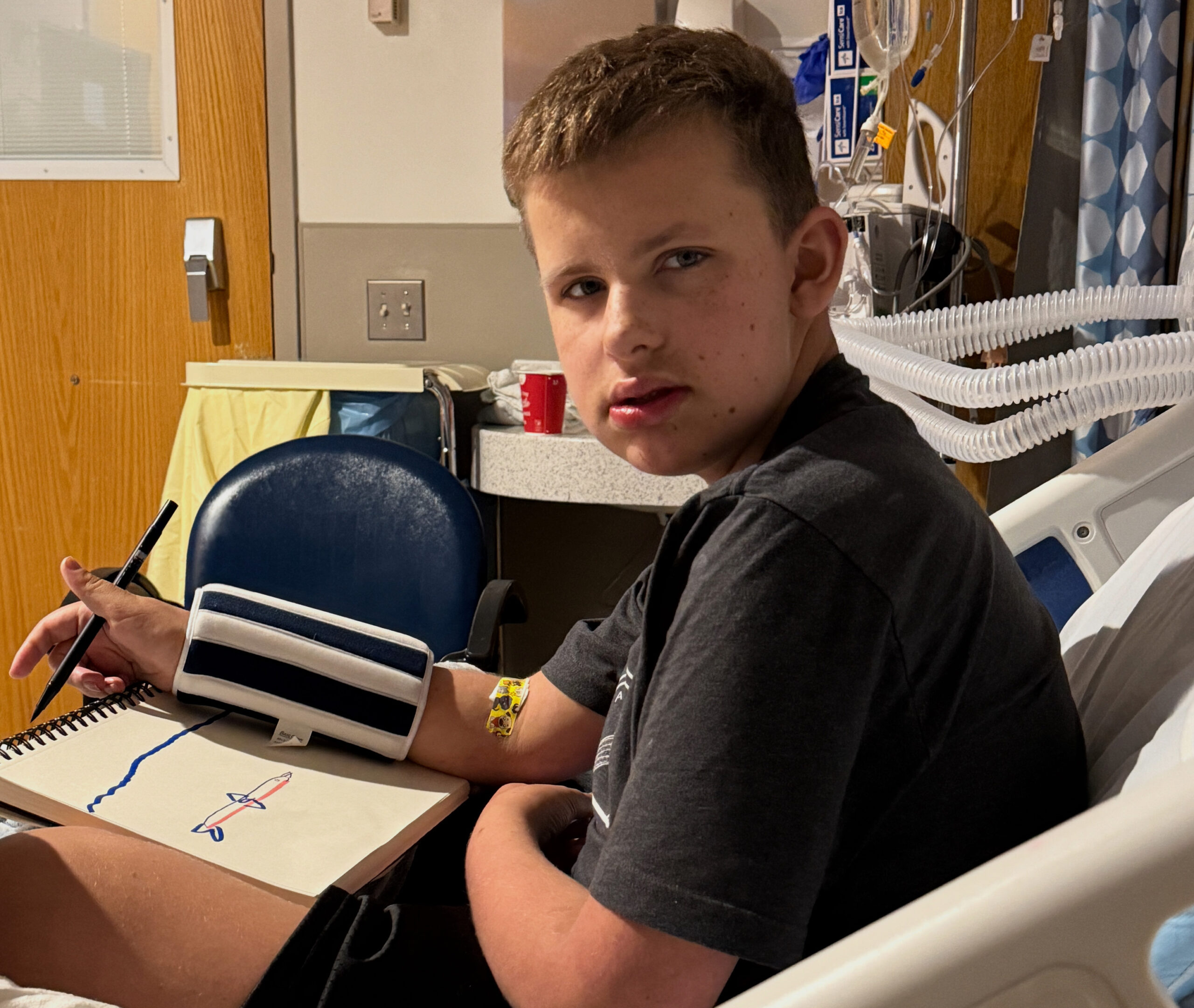
Hypothalamic Syndrome: Finally, a Way to Describe What We’ve Been Living