

Hope for HO through Oxytocin
In 2016, my son was 13 years old and a 5-year-survivor of a brain tumor called craniopharyngioma. While we were grateful that he had survived the tumor and surgery, his quality of life was poor due largely to hypothalamic obesity with hyperphagia, a cruel condition characterized by symptoms including uncontrollable hunger and rapid weight gain. To prevent him from eating as much as his ravenous appetite dictated, we resorted to locking up all food and keeping a constant watch of him lest he steal food. It was an exhausting, depressing, and unsustainable lifestyle.

Managing the Holidays and Hypothalamic Obesity
It’s that time of year where food is plentiful for most of us. COVID-19 may change how we celebrate the holidays, and turning to food as comfort may even be more of an issue this year. For those with hypothalamic obesity (HO) or caregivers of survivors with this condition, this time of year can be the most challenging. Marci Serota, RDN, HO expert shares advice for dealing with the holiday food situations.

Rare Disease Researchers Gather Virtually to Discuss Potential Therapies for Hypothalamic Obesity
Promising Results from Clinical Trial of Tesomet in Treatment of Hypothalamic Obesity
Last week, Saniona, biopharmaceutical company focused on rare diseases, announced top line results from its 24-week double blind, randomized, placebo-controlled Phase 2 trial evaluating the safety and efficacy of Tesomet in patients with hypothalamic obesity (HO).
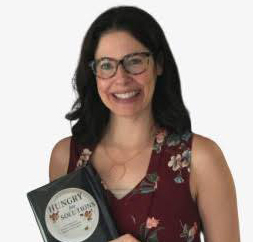
A Webinar on Hypothalamic Obesity with Marci Serota, RDN
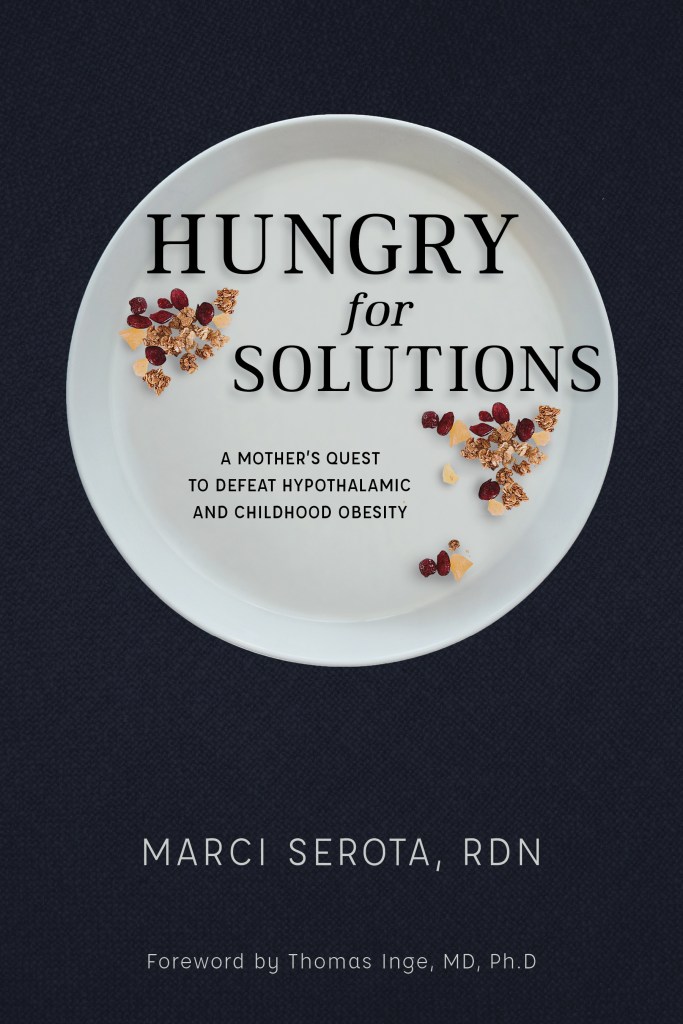
RAWF Offers Complimentary Copies of Hungry for Solutions to Brain Tumor Patients Suffering from Hypothalamic Obesity
Hypothalamic Obesity (HO) can be a devastating co-morbidity of brain tumors around the pituitary/hypothalamic axis. The condition can mean uncontrollable hunger and weight gain in patients due to damage to the hypothalamus which acts as the control center for our hunger and thirst. When this mechanism is damaged, the body can be tricked into starvation mode, making the patient constantly hungry and storing calories as fat.