
There is no straight answer to what is the best age to start growth hormone treatment because it involves several factors. The pituitary gland produces growth hormone, which resides within the brain.
For instance, the hypothalamus provides instructions for the body to produce growth hormone. Growth hormone deficit can result from issues with the hypothalamus, the pituitary, or the relationship between the two.
Additionally, growth hormone releases other hormones (chemical messengers), such as instructing the liver to generate insulin-like growth factor (IGF-1), which is crucial for juvenile growth. What do you know about growth hormone and the therapy involved? Let’s find out more about this hormone that is currently making waves.
What is Growth Hormone?
The anterior pituitary gland releases growth hormone into the bloodstream. In addition to growth hormone, the pituitary gland produces additional hormones. Growth hormone stimulates children’s growth by acting on several body parts.
It does not enhance height once the growth plates in the bones (epiphyses) have joined. It does not promote growth in adults, but it does support healthy metabolism and body structure, including blood glucose regulation.
Functions and uses of Growth Hormone
Growth hormone is frequently used in medicine to address growth hormone insufficiency in adults and developmental abnormalities in children. Growth hormone promotes children’s and teenagers’ development. Additionally, it controls the metabolism of fat and sugar, body fluids, and possibly even the heart.
Human growth hormone has many undiscovered roles. Growth hormone can, however, reduce body fat while increasing bone density and muscular mass, according to research. As a result, the skin’s tone and texture improve, and energy levels rise.
Signs and symptoms of growth hormone deficiency
Before we look at what is the best age to start growth hormone treatment, let’s explore the signs and symptoms. Growth ceases or slows down at the age of 2 or 3, which is the primary sign of a growth hormone shortage. When a child enters school and is comparatively shorter than rest of the students, growth hormone insufficiency may become more evident. It can also be recognized by routine monitoring using growth charts.
Despite growing slowly, children with growth hormone deficiency grow proportionately, meaning that their arm and leg lengths remain constant relative to their abdomen and chest. Additionally, they could appear younger on their face than they are. Growth hormone’s impact on the body’s accumulation of fat is the reason why they could appear plumper than other kids. The onset of puberty may be delayed or nonexistent.

What is the best age to start growth hormone treatment?
Before a child’s growth plates fuse, which usually occurs around the age of 14 for females and 16 for boys, growth hormone therapy can begin at any age. When a kid in elementary school or nearing puberty seems noticeably shorter than their friends or is developing more slowly than anticipated, parents frequently seek medical counsel.
The best time to take growth hormone injections is when you observe a shortage of growth hormone. This treatment can help even newborns who are deficient in growth hormone. Growth hormone and possibly other hormones may be lacking because of aberrant pituitary gland development. It is critical to understand that growth hormone insufficiency can appear at any age.
For kids with growth hormone insufficiency to reach their maximum development potential, early diagnosis and treatment are essential. A child’s height outcome is greatly impacted by the timing of growth hormone therapy; the greatest outcomes are seen when treatment is initiated between the ages of two and nine.
This is because early starting helps make up for the growth shortfall before puberty starts. Growth hormone treatment becomes far less successful after puberty begins because the natural merger of growth plates prevents additional height increase.
Controlling Growth Hormone
Every three to five hours, growth hormone is produced in many “bursts” or pulses rather than continuously. Growth hormone-releasing hormone, which stimulates the pituitary to produce growth hormone, and somatostatin, which inhibits that release, are two additional hormones secreted by the hypothalamus (a region of the brain) that regulate this release.
Sleep, stress, exercise, and low blood glucose levels all raise growth hormone levels. They also rise in the vicinity of puberty. Growth hormone release is reduced during pregnancy and when the brain detects elevated blood levels of insulin-like growth factors or growth hormone.

How to Treat Growth Hormone Deficiency?
A pediatric endocrinologist—a physician who specializes in children’s hormones—is the ideal person to treat and monitor growth hormone insufficiency. The endocrinologist will know the growth hormone treatment age limit. Treatment for growth hormone deficit involves substituting a synthetic form of the missing hormone.
Growth hormone treatment aims to address growth hormone deficit by putting the child back on the normal development curve and helping them attain the predicted height based on their parents’ height and a few other factors.
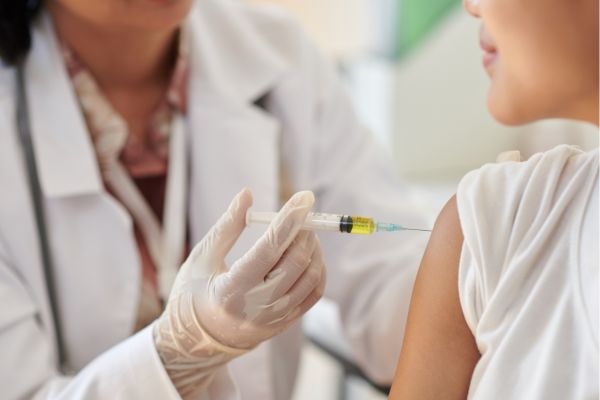
Your child’s weight will determine the growth hormone dosage, which will fluctuate over time. This dosage will weigh the anticipated outcomes against any possible adverse effects. Growth hormone treatment is administered subcutaneously, or beneath the skin, once a day. While not all children respond well to growth hormone replacement therapy, most can achieve usual adult height if it is begun early.