
Patient- and caregiver-reported priorities to inform clinical care, research, and therapeutic development
Overview
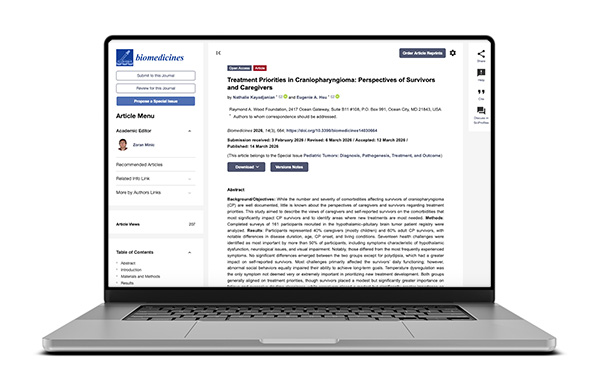
Traditional clinical and research frameworks in CP have focused on tumor control and endocrine outcomes. There is increasing recognition among regulators, researchers, and patient advocacy organizations that patient-reported lived[NK1] experiences and perspectives are essential to understanding disease burden and guiding innovation.
The objective of this study was to:
- Identify the health challenges most impactful to survivors and caregivers
- Assess their impact on daily lives and long-term outcomes
- Define treatment priorities that reflect real-world patient needs
Key Findings
Multisystem Disease Burden
- Among the challenges faced by survivors, participants identified 17 primary health challenges associated with CP and its treatment as the most impactful, spanning hypothalamic dysfunction, neurological impairments, and visual deficits.
- Hypothalamic dysfunction included challenges such as obesity, hyperphagia, sleep dysregulation, impaired thermoregulation, and cognitive and behavioral changes. These findings reinforce the complex, multisystem nature of CP survivorship.
Impact Does Not Correlate with Prevalence
- A central finding of the study is that the most impactful health challenges are not necessarily the most prevalent.
- While many symptoms were commonly reported, a subset of 17 challenges emerged as consistently high priority based on their impact, mainly on daily life rather than frequency alone.
High Concordance Between Survivors and Caregivers
There was strong overall agreement between adult survivors and caregivers regarding impact and priority health challenges.
Key distinctions included:
- Adult survivors reported greater impact from polydipsia[NK1] and place an even greater importance for prioritizing new treatments for fatigue and excessive daytime sleepiness.
- Caregivers emphasized emotional lability, cognitive challenges as the two most impactful symptoms, and place an even greater importance on developing new treatment for obesity.
This alignment strengthens confidence in the consistency of reported priorities across the CP population.
Implications for Therapeutic Development
All 17 identified most impactful health challenges, with the exception of thermoregulation issues, were prioritized as targets for future treatment development.
Specific areas of emphasis included:
- Fatigue and excessive daytime sleepiness for adult survivors
- Obesity for caregivers
These findings provide clear, patient-informed direction for drug development and clinical research.
Conclusion
This study demonstrates that CP survivorship is characterized by complex, high-burden, multisystem morbidity. It also highlights the importance of integrating patient and caregiver perspectives into research, care, and drug development.
Aligning clinical and research priorities with lived experience is essential to improving outcomes and advancing the development of meaningful therapies.
Role of the Patient Registry
This study was made possible through participation in the Hypothalamic–Pituitary Brain Tumors Patient Registry.
As a research infrastructure, the registry enables:
- Longitudinal data collection
- Real-world evidence generation
- Identification of unmet clinical needs
Participation in the registry contributes to a growing evidence base that supports improved understanding of CP and accelerates research progress.
Join the RegistryAccess the Full Publication
Treatment Priorities in Craniopharyngioma: Perspectives of Survivors and Caregivers
https://www.mdpi.com/2227-9059/14/3/664
Advancing Research
Ongoing participation in the patient registry remains essential to expanding the evidence base, refining research priorities, and accelerating the development of targeted therapies.
Continued contribution of patient-reported data will play a central role in improving outcomes for individuals living with craniopharyngioma.
Support Our Research Work