
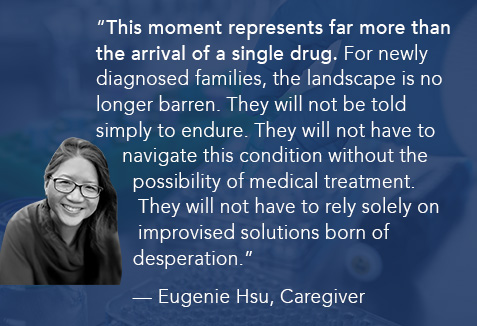
Hope for HO: The Wait is Over
A New Chapter in Rare Brain Tumor Research: The Hypothalamic-Pituitary Brain Tumors Patient Registry

Back to School Safety for Students with Adrenal Insufficiency
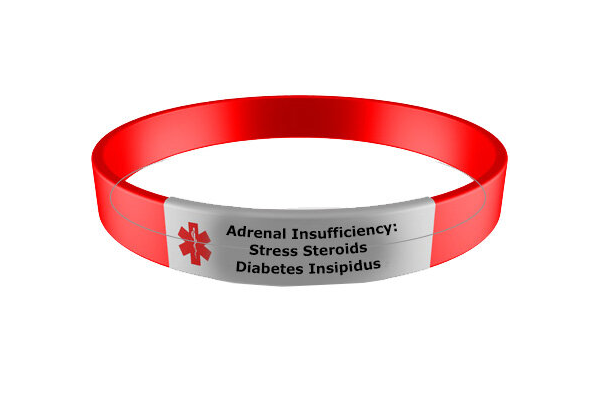
Medical ID Bracelets for Panhypopituitarism Patients
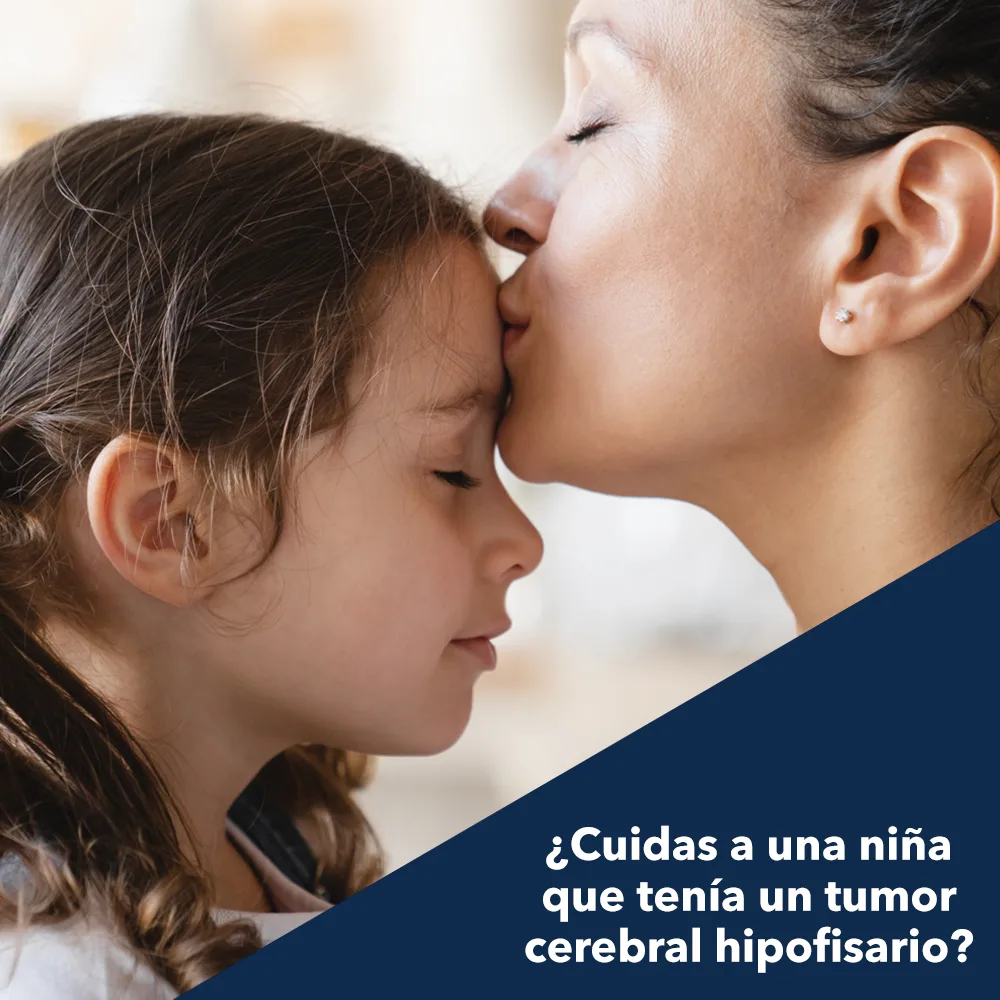
RAWF Develops Spanish Language Resources through a Grant

Medical Monday Editorial: Hoping Telehealth is Here to Stay
There are some visits that may involve testing or hands on that just can’t be done online, but it seems that when it is possible for more consultative visits, most doctors seem to like it as well because it gives them more time to focus on patients with less distractions.
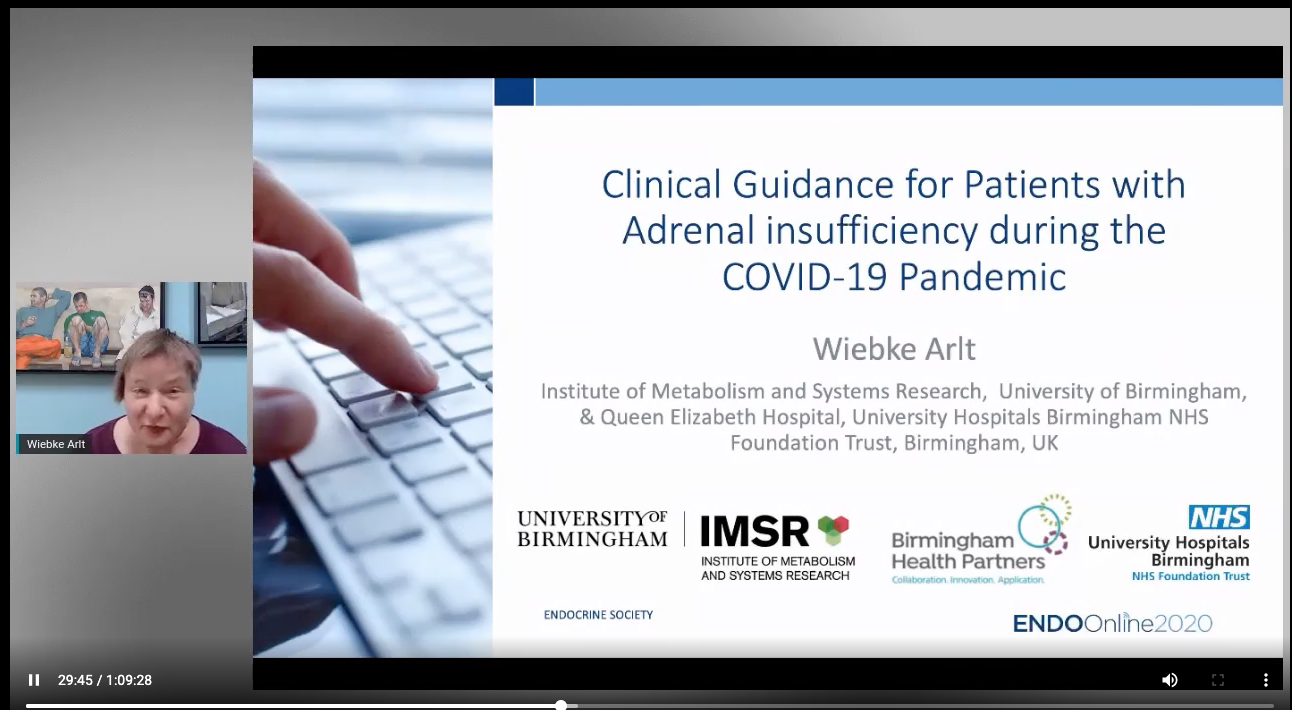
COVID-19 and Adrenal Insufficiency
In ENDOOnline 2020’s first session last Monday, Wiebke Arlt, MD, DSc, FRCP, FMedSci, of the University of Birmingham, updated conference attendees on steroid dosing for Adrenal Insufficient patients with COVID-19. The discussion was focused both on primary adrenal insufficiency (PAI) or Addison’s Disease and secondary adrenal insufficiency (SAI) which is typically caused by hypothalamic-pituitary disorders, the risks for patients and steroid treatment plan for patients diagnosed with COVID-19.

Managing Hypopituitarism Patients During COVID-19
Most hypothalamic-pituitary brain tumor patients suffer from secondary adrenal insufficiency (SAI), which is the brain’s inability to signal cortisol production in the event of the body being in distress, and diabetes insipidus (DI), the which is a result of the disruption of production of the anti-diuretic hormone which causes issues with body fluid balances and blood sodium levels. With the coronavirus outbreak, many questions have been raised about patients with SAI being immunosuppressed or “high-risk.”

Making the Most of Your Telemedecine Appointments
In the last few weeks, we have adapted to so many changes — from working at home to schooling our kids to strategic planning of grocery store trips. Many of us have also experienced the evolving frontier of telemedicine appointments. Telemedicine may open some new doors for patients with rare medical conditions to access specialists that geographically may have been impossible to see through traditional in-person appointments. That would be an exciting development to come of this current crisis.

COVID-19 Preparedness for Caregivers of Brain Tumor Patients with Neuroendocrine Conditions
If you are a parent/caregiver of a child with neuroendocrine side effects of a brain tumor, the concern over the coronavirus (COVID-19) doesn’t just include worries that he or she may contract the virus. There could potentially be a shortage of medications and concerns over management of the chronic conditions that sometimes require emergency department visits in a normal health climate.