
A ‘benign’ tumor with lifelong, complex consequences.
Craniopharyngioma is a rare benign (non‑cancerous) brain tumor that develops near the base of the brain, close to the pituitary gland and hypothalamus which are key structures that control hormones, growth, and vital body functions.
Although “benign” means it does not spread widely like cancer, craniopharyngioma can still cause significant health effects because of its location near critical nerves and brain centers.
Get Connected with Craniopharyngioma Research & Resources
Get monthly insights on research news, current research studies, education events, and community support — straight to your inbox.
For Patients & Caregivers
Learn about craniopharyngioma symptoms and treatment, how we support families, and what resources are available—from support groups and educational videos to research opportunities and innovative tools.
Find Out More »
For Clinicians, Researchers & Industry Partners
Explore how RAWF supports the craniopharyngioma community, access curated research, learn about our global patient registry, and discover opportunities to collaborate.
Find Out More »
Craniopharyngioma Treatment and Management
UCSF’s Dr. Sandeep Kunwar, neurosurgeon and Dr. Lewis Blevins, neuroendocrinologist, take a deep dive into treatment approaches and options for craniopharyngioma.


Join Our Patient Registry
Your voice is crucial in addressing the challenges of hypothalamic obesity and hyperphagia! Join us in shaping the future of research by enrolling in the Hypothalamic Pituitary Brain Tumor Patient Registry. Your participation, at your own pace, will contribute valuable insights to better understand and treat these conditions

From the Blog
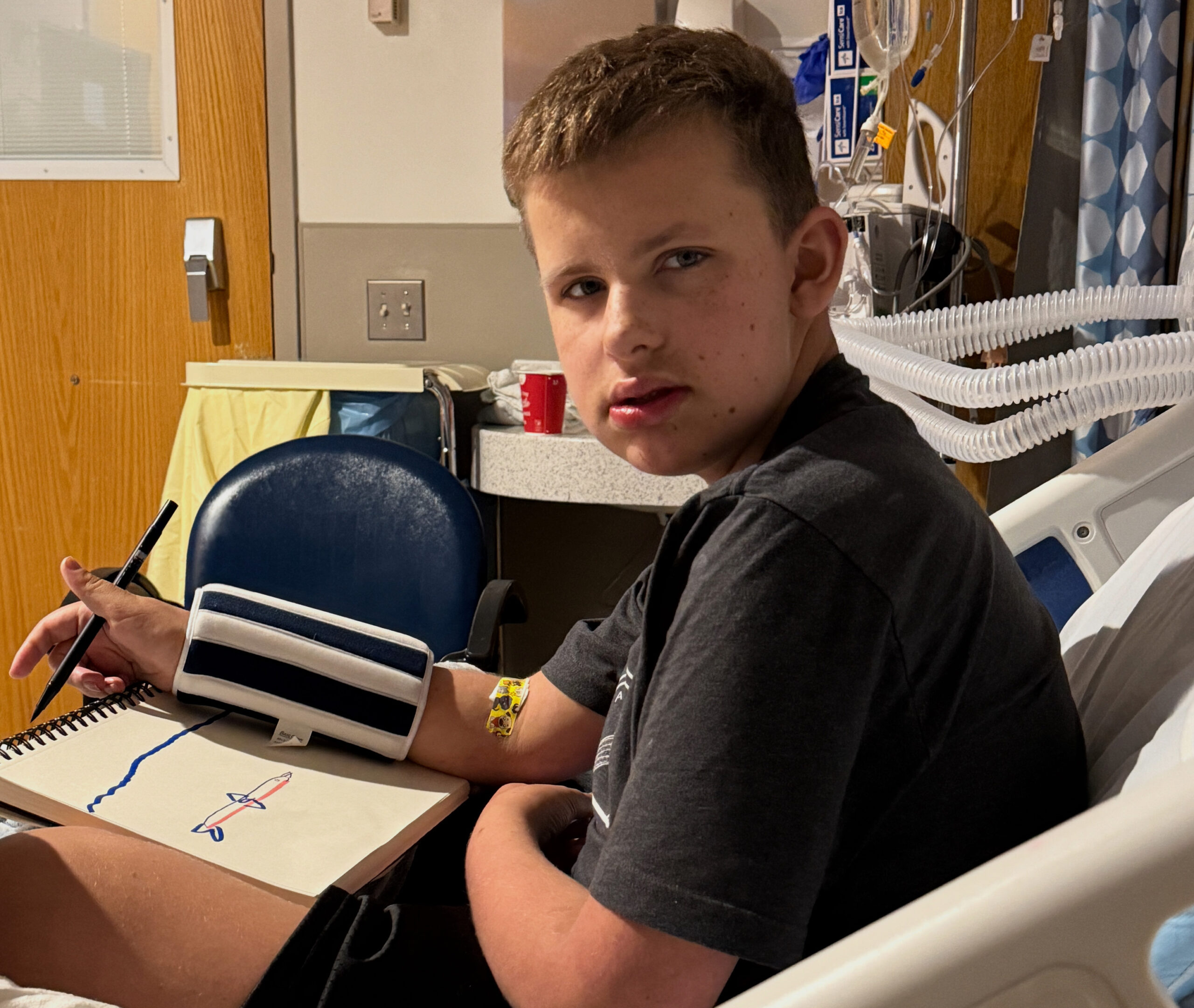
Hypothalamic Syndrome: Finally, a Way to Describe What We’ve Been Living

Navigating the Grief of Diagnosis

Back to School Safety for Students with Adrenal Insufficiency